Tono Furusato Village
Tono Furusato Village recreates a rural settlement in northern Japan with preserved Nambu magariya—L-shaped farmhouses where people and horses once lived together—set am…
Businesses, schools, hospitals, professionals and other organizations with practical context.
Tono Furusato Village recreates a rural settlement in northern Japan with preserved Nambu magariya—L-shaped farmhouses where people and horses once lived together—set am…
Kouratei is a dining venue inside Nihonkai Sakana Machi, with a focus on crab and seafood from the Sea of Japan. Its official site presents seafood dishes and grilled op…
Inside Nihonkai Sakana Machi, Kanikuitei Masuyone combines a restaurant with seafood-market know-how. The business says it selects seasonal fish and buys Echizen crab di…
Keyakidaira Visitor Center turns the wait for a train into an opportunity to understand the landscape. Its panels, photographs and maps introduce the gorge’s plants, wil…
From Unazuki, the narrow-gauge train leaves the settled valley and enters Kurobe Gorge, where tunnels, bridges and wooded walls make the ride itself the main attraction.…
At Sunabacho, beside the approach to the Kurushima-Kaikyo Bridge, the Itoyama terminal puts cyclists close to the scenery they came to see: the strait, its currents and…
Across from JR Imabari Station, i.i.imabari! Cycle Station helps visitors make an important choice before setting off: begin the ride in town or first head towards the K…
Gottsuo works in central Tottori’s evening district as an entry point to gyukotsu ramen after dinner or a show. The city tourism office describes it as a local business…
Fujiki turns beef-bone broth into a clear, aromatic soup, an alternative to the pork tonkotsu found on many ramen menus. Tottori’s official food guide describes gyukotsu…
Beppu Reimen Ichiban is in Chuocho, south of the station, on streets where the hot-spring city slips back into everyday life. The business began in 1985 as Ramen Tei Ich…
Rokusei brings the craft of cold noodles to Matsubara, south of Beppu’s hot-spring centre. The shop opened in 2001 and describes its recipe as part of a local tradition:…
The AMU Plaza branch brings shirokuma into Kagoshima-Chuo’s railway concourse: it sits on basement level B1 of the shopping complex, directly connected to the station. F…
On the first floor of Tenmonkan Mujyaki’s main building, visitors can try the shirokuma that made Kagoshima a dessert stop. It is kakigori: finely shaved ice topped with…
Mikawaya occupies a corner of Aoba Yokocho, the Shizuoka alley where small restaurants open their counters into the evening. It began as a street stall in 1948 and keeps…
On the approach to Shizuoka Sengen Shrine, Ogawa serves daytime oden in a room that retains the feel of an old-fashioned sweets shop. Its location makes it easy to try a…
Hagiya makes keichan a matter of choice: diners can select chicken cuts and sauces rather than follow one fixed recipe. The griddle finishes cooking at the table, while…
Suginoko specialises in keichan, chicken and cabbage cooked on a griddle, a dish found across Hida and other mountain areas of Gifu. Its version uses Ena chicken thigh w…
Inside Iwakuni Kokusai Kanko Hotel, Sakura pairs regional cooking with a view of Kintai-kyo and its wooden arches. Lunch sets include Iwakuni-zushi and other local dishe…
Beside Kintai Bridge, Hirasei centres its menu on Iwakuni-zushi, layered pressed sushi cut into squares for sharing. The Iwakuni tourism association includes it on its r…
Tonpachi offers another take on Aizu’s breaded pork. Its signature is miso tonkatsu, with regional koji miso placed between the pork before frying. The restaurant’s offi…

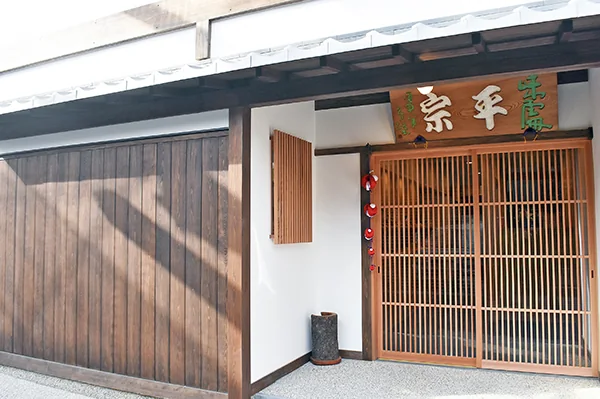
Hiraso occupies two adjoining spaces in Naramachi: a main building and an annex near Sarusawa Pond and Kōfuku-ji Temple. Its cooking draws on a preparation associated wi…

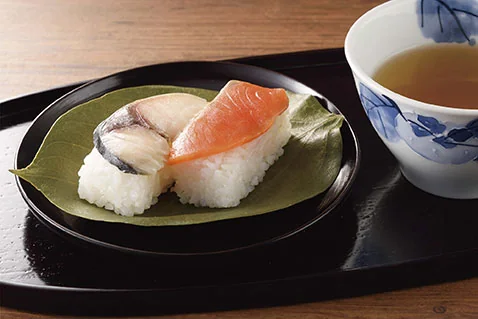
The fragrant leaf around the sushi is part of a preservation method developed in Nara’s mountain communities, far from the sea. Vinegared rice and lightly cured fish are…

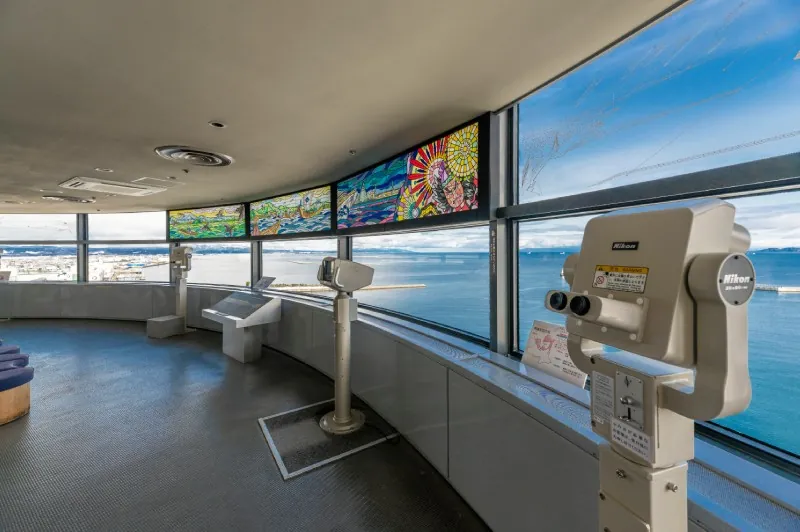
ASPAM is Aomori’s tourism and regional-products centre, a 15-storey triangular building that has become a landmark by the port. Its name refers to Aomori Sightseeing Pro…

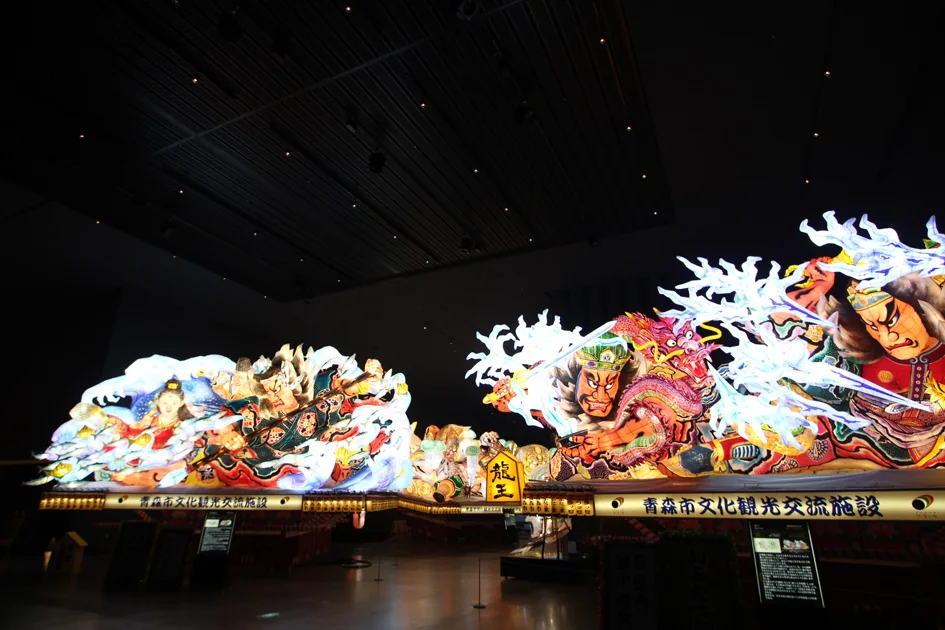
The red, curving building beside Aomori Station introduces a story the city lives every August. WA RASSE preserves and explains the Nebuta Festival, known for huge illum…