Tono Furusato Village
Tono Furusato Village recreates a rural settlement in northern Japan with preserved Nambu magariya—L-shaped farmhouses where people and horses once lived together—set among wooded hills. It is not a folklore theme park. The site presents agricultural ways of life that help explain Tono’s cultural la
About Tono Furusato Village
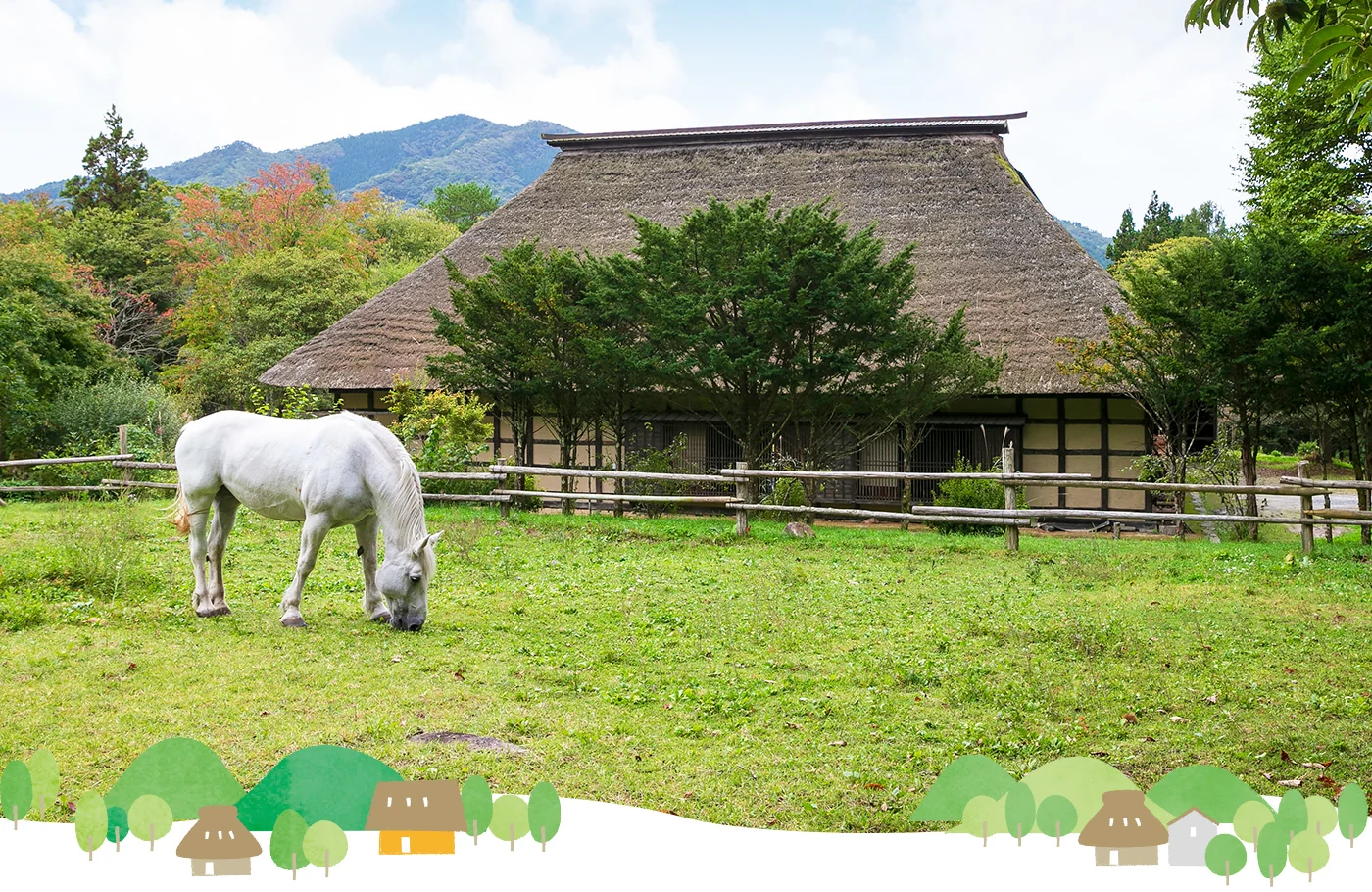
Tono Furusato Village recreates a rural settlement in northern Japan with preserved Nambu magariya—L-shaped farmhouses where people and horses once lived together—set among wooded hills. It is not a folklore theme park. The site presents agricultural ways of life that help explain Tono’s cultural landscape and the world of stories collected in the region.
The visit follows wooden buildings, courtyards, paths and seasonal activities. Staff known as maburitto speak with visitors, and hands-on experiences may be available depending on the calendar and day; the official site also lists storytelling sessions and rural events. Public feedback often values the peaceful setting, thatched buildings and chance to explore at an unhurried pace. Other visitors note that the grounds are larger than expected, with uneven dirt paths, and recommend checking which workshops and services are operating before setting out.
Individual admission is ¥750 for adults and ¥400 for elementary, junior-high and high-school students; a separate rate applies to other students. From March through October, the village is open 9:00 am–5:00 pm, with last admission at 4:00 pm. From November through February, it closes at 4:00 pm and stops admitting visitors at 3:00 pm. Free parking is available for 100 cars. Public transport from JR Tono is the Iwate Kenpoku bus, about 25 minutes to Furusato-mura stop; the drive from the station takes around 20 minutes.
For a day about Tono folklore, Furusato Village supplies the rural setting, while Denshoen, about five kilometres away, brings local stories into focus through its historic buildings and ritual spaces. Kappa-buchi, a stream named for the kappa of local tradition, can be added, but check bus times before linking all three: they are outside the centre and do not function as one attraction. With limited time, choose one of the two heritage villages; a slower itinerary leaves room for walking and a fuller sense of place.
Traditional Nambu magariya farmhouses, a rural-village landscape and activities connected with Tono life.
Photos