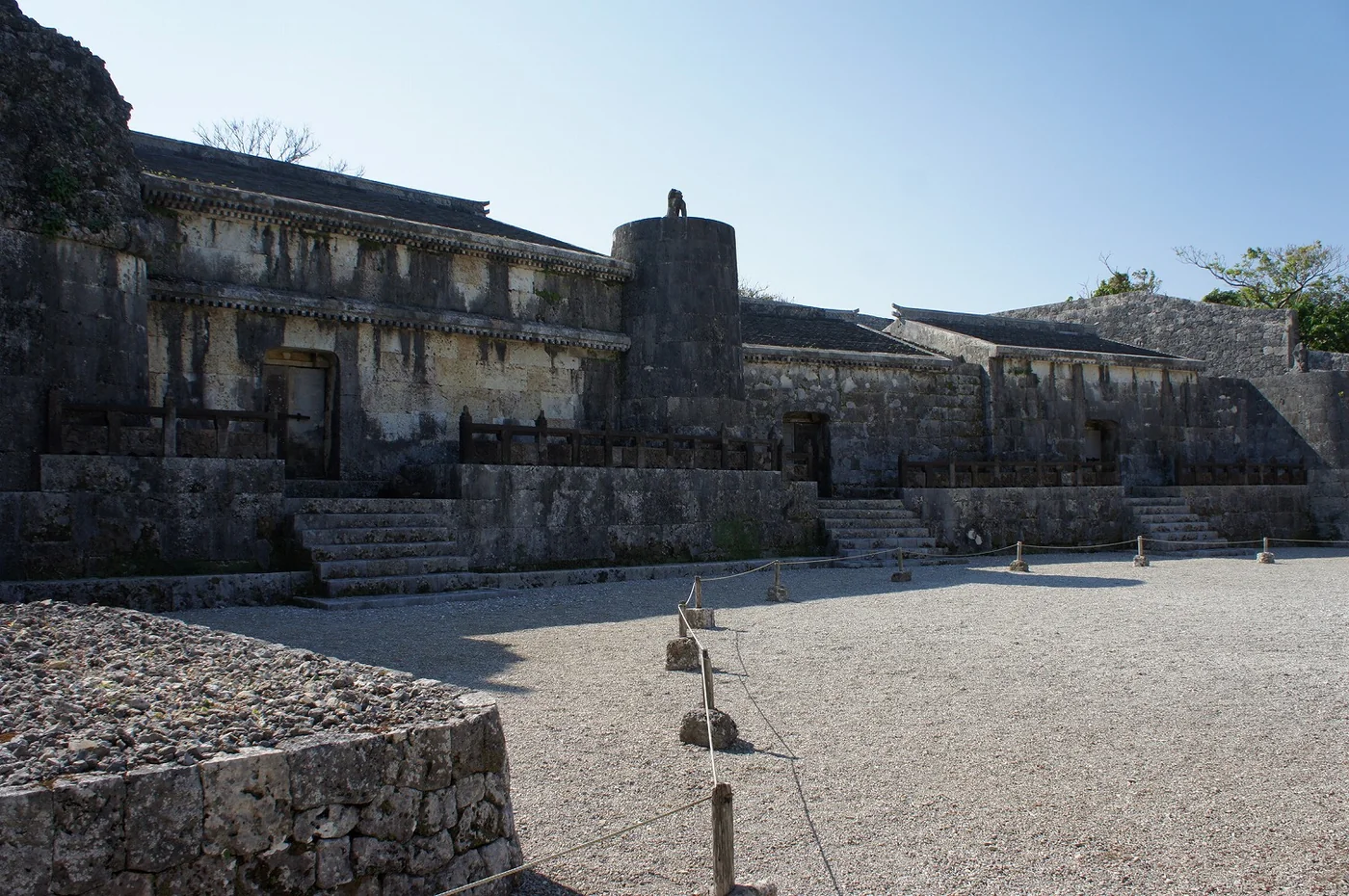
Tamaudun Royal Mausoleum
West of Shuri Castle, Tamaudun preserves a quieter chapter than the gates and plazas of the former palace. King Shō Shin ordered the royal mausoleum built in 1501 for the Second Shō Dynasty. The visitor experience is mainly from outside: large stone blocks, burial chambers and carved details introdu
About Tamaudun Royal Mausoleum
West of Shuri Castle, Tamaudun preserves a quieter chapter than the gates and plazas of the former palace. King Shō Shin ordered the royal mausoleum built in 1501 for the Second Shō Dynasty. The visitor experience is mainly from outside: large stone blocks, burial chambers and carved details introduce funerary architecture and Ryukyuan customs. The chambers are not rooms visitors can enter.
An interpretation space explains royal lineage and burial rituals. Some travellers expect interior access or more English interpretation; positive comments value the solemn atmosphere, short walk from the castle and World Heritage setting. Reading the exhibit before walking through the grounds helps explain why the mausoleum is arranged in separate chambers and how the royal family was treated after death.
Municipal visitor information lists admission at ¥300 for adults and ¥150 for junior-high-school students and younger. From October to March, it opens 9:00 am–5:30 pm, with last entry at 5:00 pm. Tamaudun works best with Shuri Castle and the Kinjocho stone-paved road rather than as a stand-alone trip. Allow time to walk between sites and respect the funerary grounds. The castle has separate hours and reservations, which change when the Seiden opens on 23 November.
From Shuri monorail station, visitors can walk toward the castle and Tamaudun; slopes and Okinawan heat make water and extra time useful. Another option is to take a bus or taxi to the Suimuikan area and continue on foot. The value lies in following the gates, paths and ritual spaces that place the former Ryukyu capital within present-day Naha.
A royal tomb built in 1501, an interpretation exhibit and stone funerary architecture associated with the Second Shō Dynasty.
Photos