Tidewater Community College — Virginia Beach Campus
Virginia Beach Campus is Tidewater Community College’s largest location: a 13-building academic complex at 1700 College Crescent, across Princess Anne Road from Landstown High School. TCC is a public two-year college serving South Hampton Roads, and this site is one campus within a four-campus syste
About Tidewater Community College — Virginia Beach Campus
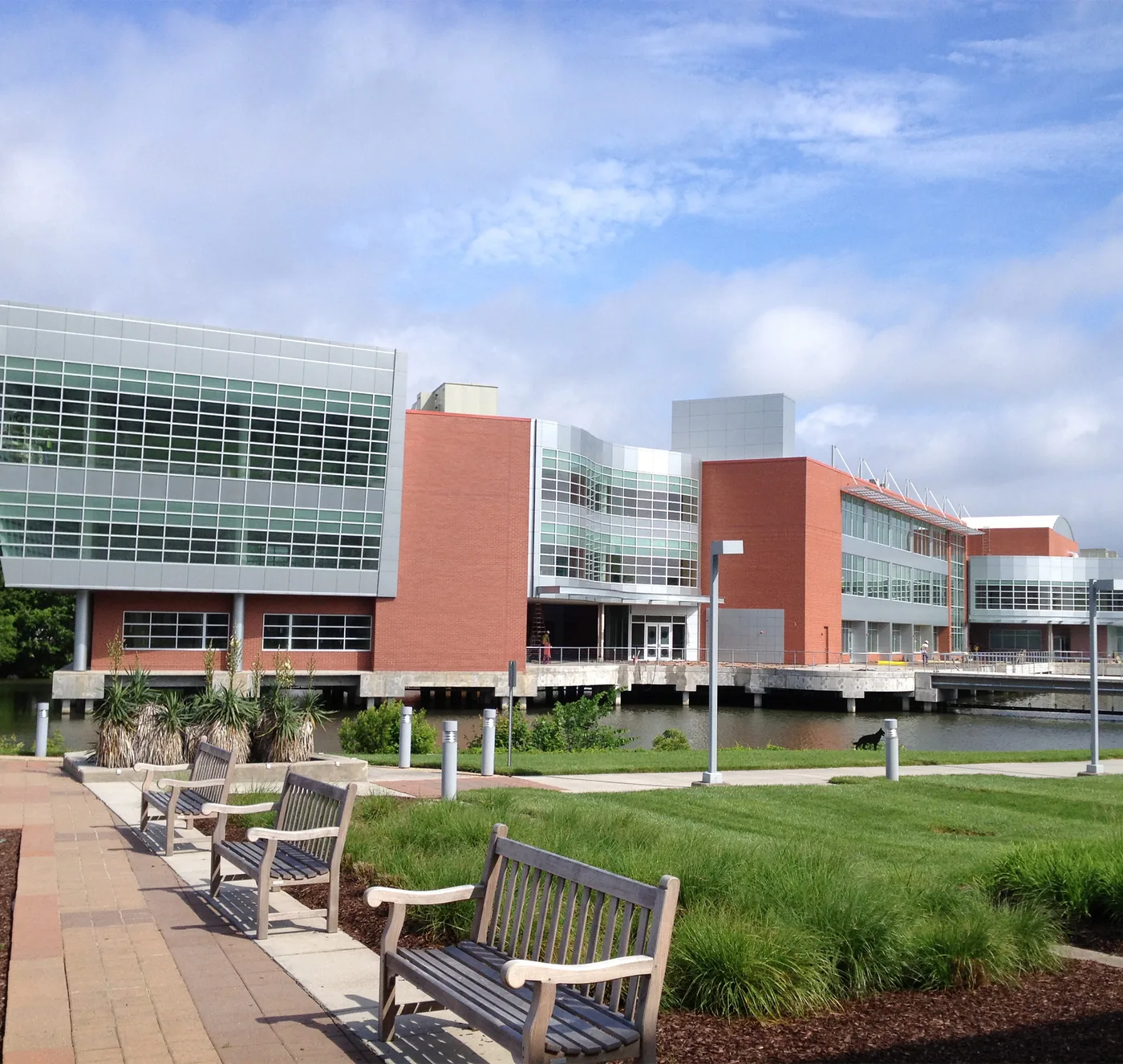
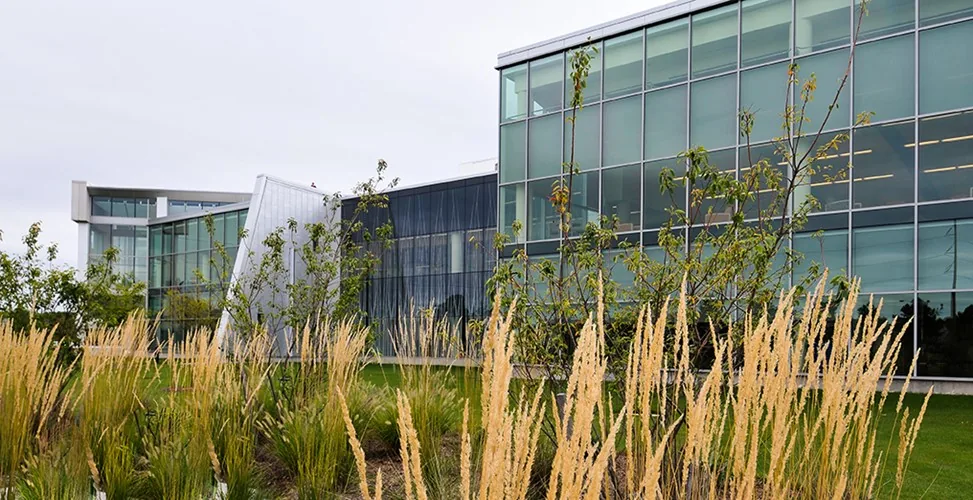
Virginia Beach Campus is Tidewater Community College’s largest location: a 13-building academic complex at 1700 College Crescent, across Princess Anne Road from Landstown High School. TCC is a public two-year college serving South Hampton Roads, and this site is one campus within a four-campus system, not a collection of separate Virginia Beach colleges. Its buildings include general classrooms, the Advanced Technology Center, a city-and-college library, a science building with a planetarium, a regional health-professions center and the student center. Before travelling, check the building named in your course schedule or appointment; the campus address alone does not identify the office you need. TCC’s history gives the Virginia Beach site a longer arc than its 13-building footprint suggests. The institution traces its founding to 1968, when the Commonwealth created a public college for South Hampton Roads; the Virginia Beach Campus was formally dedicated in 1973. Its later additions include the Advanced Technology Center, the Regional Health Professions Center and the joint-use library, illustrating how a two-year college can combine transfer education, workforce training and public facilities in one place. TCC is accredited by the Southern Association of Colleges and Schools Commission on Colleges to award associate degrees. A strong first plan is to choose the intended credential, ask an adviser which classes must be taken at Virginia Beach, confirm English placement if needed, then compare the net cost after grants and scholarships. That sequence helps a student decide whether a short certificate, a selective health program or an associate degree is the right next step.
The practical starting point for a new student is the Bayside Building, where the campus map places admissions, enrollment services, academic advising, financial aid, testing, international student services and accessibility services. TCC’s general application is free. The published general-admission standard is a high-school diploma or equivalent, or being at least 18 and able to benefit academically from college study. Some applicants may need to show additional records for financial aid, international admission or a selective program. After applying, a Next Steps to Enroll session can help turn the application into placement, a program choice and a first schedule. Students who register as non-degree-seeking should check the aid rules first: TCC says that status is not eligible for financial aid.
Applicants still developing English have a defined route into college-level work. TCC says students whose first language is not English need an ESL placement test; the testing center uses the result to place a student rather than to decide whether the student may be admitted. Day and evening ESL classes and counseling meet at Virginia Beach Campus. Inside the campus, the official building directory identifies a Language Lab and Math Lab in Lynnhaven, English computer labs in Pungo, and learning-assistance services in Lynnhaven. These locations give students several ways to practise language and course skills, but the exact course level, credit status and schedule should be confirmed with ESL advising before registration. The college’s current program finder also distinguishes credit study from other offerings.
The campus is particularly useful for students weighing a health-care credential because several programs publish their location, credit total and sequence. Practical Nursing is a 45-credit certificate listed as three semesters at Virginia Beach; TCC says the program begins in spring and requires its own application. Occupational Therapy Assistant is a 67-credit Associate of Applied Science, listed as five semesters, with a selective application and a full-time weekday sequence that includes fieldwork. Radiography is a 72-credit Associate of Applied Science listed as six semesters; admission is competitive and separate from general college admission. These totals describe the college’s planned sequence, not a promise that every student will finish on that calendar: prerequisites, course availability, clinical placement and a student’s pace can change the timeline. TCC’s campus program finder also lists options in areas such as paralegal studies, phlebotomy, personal training, technology and skilled trades; check each program page for the site where its classes actually meet.
For 2026–27, TCC lists Virginia-resident tuition and mandatory per-credit fees at $207.10 per credit hour, before course-specific charges. At 15 credits, that published rate comes to $3,106.50 for the term. The published nonresident rate is $452.70 per credit hour, or $6,790.50 for 15 credits. Starting in summer 2026, TCC First Day adds $22.50 per credit for required course materials unless a student opts out by the refund drop deadline; some health-care courses add $25 per credit and selected skilled-trade and agriculture courses add $12.50. Books, supplies and program expenses therefore can change the bill. The college’s tuition page separates these rates and fees, so compare the total for the actual program and residency classification rather than treating one per-credit price as the complete cost.
Financial aid can change what a student pays, but most options require an application and a declared program. TCC directs students to complete the federal FAFSA first; the college’s school code is 007660. Its Educational Foundation offers annual scholarships, most valued at $500 or more, and requires a completed FAFSA before a student applies. Virginia residents in approved G3 programs may also qualify for last-dollar aid after other grants are counted. The state pathway has conditions that include Virginia residency, an eligible program, financial eligibility, FAFSA completion and at least six credits in a semester. TCC says G3 may cover tuition, fees and books for a qualifying program; the amount depends on the student’s eligibility and other aid. Students planning to transfer after an associate degree can ask about the Virginia Two-Year College Transfer Grant, which may provide up to $2,000 per year at a participating Virginia four-year institution. Start with the financial-aid office in Bayside to check what applies before accepting a schedule.
Once admitted, students find several useful services in a compact set of buildings. The Joint-Use Library, developed with the City of Virginia Beach, includes public and TCC computer labs, study and collaboration rooms, a Writing Assistance Center and a grab-and-go food market. The Regional Health Professions Center houses simulation laboratories for clinical training. The Science Building includes laboratories and the campus planetarium and observatory. At the Student Center, students can use the bookstore, career services, fitness center and gymnasium; the building directory also lists gaming rooms, a student resource and empowerment center, and food service. TCC describes Bistro-to-Go as serving sandwiches, burgers, snacks, coffee and cold drinks. The Student Center building lists weekday hours of 8:30 a.m. to 5 p.m.; individual services may keep different hours, so confirm before making a trip.
Driving is common for reaching this suburban campus, and the college map marks multiple parking areas across the site. The map confirms where lots are located but does not establish that every space is free or available to every visitor; follow current signs and ask the office you are visiting about accessible parking or the closest entrance. Hampton Roads Transit lists routes 12, 25, 26 and 33 as serving TCC Virginia Beach. Enrolled students who have paid tuition or received financial aid can buy a discounted GoSemester Pass through a campus business office; its fee and sale period vary by term. Check the live route and trip-planning information before travelling, since bus schedules change. The college’s campus page provides a direct map route and a building directory, both useful for choosing the right entrance and planning the walk between buildings.
TCC’s largest campus brings admissions and financial aid, English-language learning support, a joint-use city library, health-profession simulation labs, a planetarium and a full student center together across 13 buildings.
Photos