San José City College — Main Campus
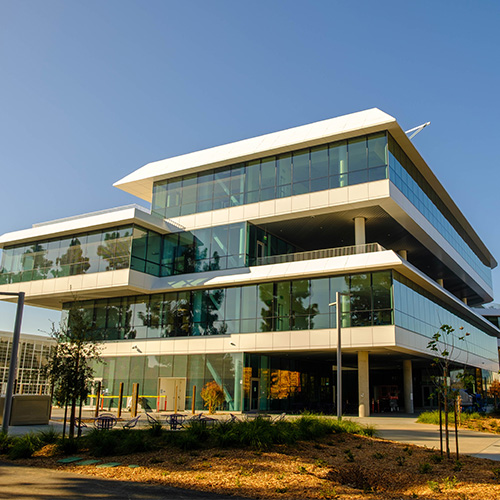
Opened in 1921 as San José Junior College, this campus began in borrowed high-school classrooms and moved to Moorpark Avenue in 1953. Today the Main Campus is the college’s principal teaching site in west San José, where a new Career Education Complex brings modern classrooms, career labs, and space
About San José City College — Main Campus
Opened in 1921 as San José Junior College, this campus began in borrowed high-school classrooms and moved to Moorpark Avenue in 1953. Today the Main Campus is the college’s principal teaching site in west San José, where a new Career Education Complex brings modern classrooms, career labs, and spaces for collaboration together under one roof.
The college organizes programs into eight SPOT pathways, including business and information technology, health and human services, industrial and technical careers, languages and communication, science and engineering, and visual and performing arts. Students can compare associate degrees, certificates, and transfer preparation through the program mapper, which lays out course sequences and connects them with counseling and registration.
For a California resident, the published enrollment charge is $46 per unit. A 12-unit semester therefore starts at $552 before health, transportation, activity, materials, and course-specific costs. The 2026–27 attendance budget estimates fees, books, housing, food, and other expenses separately; a student living with family and one living independently face very different totals. Nonresidents pay additional per-unit tuition, and international students should request the college’s full estimate, including insurance.
Admission starts with the online California Community Colleges application. New students then complete orientation, review placement guidance, meet with a counselor to build an education plan, and register for classes. Associate degrees and transfer degrees generally require at least 60 applicable semester units; finishing in two years assumes a full-time sequence with required classes available when needed. Certificates range from short job-focused awards to longer paths, so the published program map is the best way to estimate a specific credential.
Students can apply for federal aid through FAFSA, California aid through the Dream Act application when eligible, and the California College Promise Grant, which can waive the $46-per-unit enrollment charge for qualifying students. SJCC also runs donor-funded scholarships and work-study. A grant or scholarship does not cover every charge automatically: compare the award notice with the program’s fees, books, equipment, and living costs before accepting a schedule.
English learners have a dedicated ESL sequence with credit and noncredit options, five proficiency levels, and a language lab that supports students taking other lecture courses as well. Noncredit ESL is a way to build reading, writing, listening, and speaking skills without earning college credit; credit ESL can fit into a larger degree plan. Students can begin with guided placement and meet an ESL counselor before choosing the route that matches their goal.
The west San José campus sits near Moorpark Avenue, Bascom Avenue, and Highway 280. Student parking is organized in campus lots, with permits and rules set by the college; the campus map is useful for locating the appropriate lot and building. SJCC students are eligible for a VTA Eco Pass for local buses and light rail. For an application, start at Admissions and Records; for aid, use the Financial Aid and Scholarships page.
Career Education Complex, transfer pathways, and English-language study at a century-old San José campus.
Photos