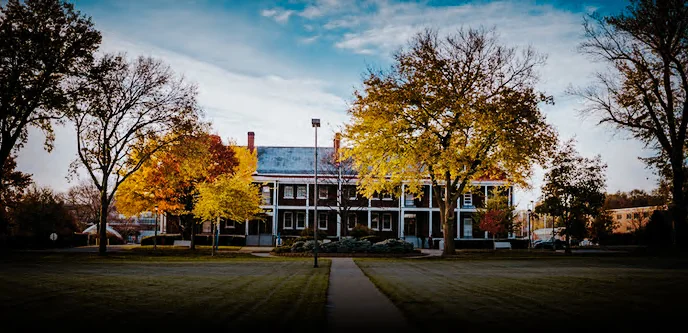
Metropolitan Community College — Fort Omaha Campus
Fort Omaha Campus occupies 5300 N. 30th Street on a historic 73-acre site in North Omaha. The former military grounds became MCC’s first permanent campus in 1975; today the buildings mix restored architecture with classrooms and student services. Start at the exact building named in your appointment
About Metropolitan Community College — Fort Omaha Campus
Fort Omaha Campus occupies 5300 N. 30th Street on a historic 73-acre site in North Omaha. The former military grounds became MCC’s first permanent campus in 1975; today the buildings mix restored architecture with classrooms and student services. Start at the exact building named in your appointment or course schedule, because admissions, tutoring, testing and instruction are spread across the grounds.
This is one of MCC’s broadest academic bases. The college places its Institute for the Culinary Arts and Sage Student Bistro here, alongside construction education, advanced technology and emerging technology facilities, horticulture, business, HVAC and liberal-arts transfer study. The official campus map also locates student services, the bookstore, learning and tutoring spaces, testing and transfer support. A campus directory and map help turn the large address into a usable visit plan.
The map marks multiple parking lots, city-bus stops, bike racks and electric-vehicle charging. MCC’s locations directory lists student-services hours separately from general campus hours, so check the office schedule before travelling. Credit students can request the college’s Pass to Class transit assistance; verify the current Metro route and stop for the building you need. Sage Student Bistro is a teaching restaurant in the culinary institute, with service tied to the academic calendar and class schedule.
The historic setting is part of the campus experience, but the practical question is where a class or service meets on the day you visit. MCC publishes a virtual tour and a building-by-building map; use them to locate the institute, student services and parking, then confirm the room with the department. The college’s application is handled online, so a campus visit is most useful when you have a specific advising, testing, financial-aid or program appointment.
The historic 73-acre Fort Omaha site combines student services and transfer support with culinary arts, construction, HVAC, horticulture, business and technology programs. The campus map identifies parking areas and city-bus stops.
Photos