Moreno Valley College — Main Campus
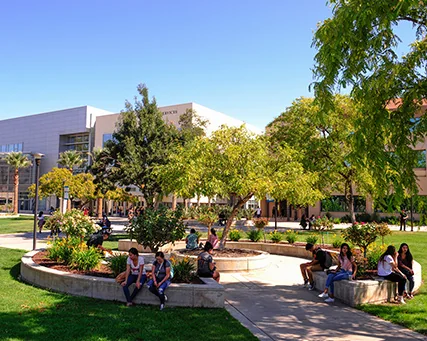
Moreno Valley College’s main campus occupies 132 acres at 16130 Lasselle Street. The college began classes in 1991 at borrowed classrooms and opened this permanent campus the same year; it received initial accreditation in 2010. Today it is one of three colleges in Riverside Community College Distri
About Moreno Valley College — Main Campus
Moreno Valley College’s main campus occupies 132 acres at 16130 Lasselle Street. The college began classes in 1991 at borrowed classrooms and opened this permanent campus the same year; it received initial accreditation in 2010. Today it is one of three colleges in Riverside Community College District, with its own admissions, academic programs, support services, and campus facilities.
MVC publishes more than 50 programs and highlights health and biological sciences, human and public services, public safety, and cybersecurity. Students can pursue transfer degrees, career certificates, and workforce preparation. The exact number of units and completion time depends on the program and course sequence. Check the current catalog and program page for prerequisites, selective admission, clinical requirements, and whether an award is designed for transfer or employment.
Student support is distributed across campus buildings. MVC identifies admissions and records, counseling, financial aid, tutoring and learning support, library services, a food pantry, and spaces for student life. Its official campus directory and map help visitors find the right building before arriving; an appointment notice or course schedule should be used to confirm the location of a specific office or class.
The standard California resident enrollment charge is $46 per semester unit for 2026–27, before applicable fees, books, supplies, or program expenses. Nonresident tuition is higher and district fee schedules may change. Students should use MVC’s current tuition page and their own residency determination to estimate a term bill instead of relying on a generic annual average.
Financial assistance can include federal and state aid, the California College Promise Grant, scholarships, and district college support programs. Eligibility is individual and may depend on financial need, residency, program, satisfactory academic progress, and credit load. Submit FAFSA or the California Dream Act Application and ask the college’s financial-aid office how aid applies to the intended program and term.
People who want to improve English or gain a short workforce credential can explore MVC’s noncredit offerings. The college lists no-fee courses and certificates, including English-language learning. Noncredit study is not the same as a transferable degree: ask which classes issue a certificate, whether placement is required, and how a later move into credit-bearing classes works.
The campus is a separate destination from Moreno Valley College’s School of Public Safety at Ben Clark Training Center. The main campus is the place to start for general admission, counseling, broad academic choice, and many student services; the public-safety site has specialized training and a different address. The Ben Clark profile explains that specialized location. For general study, begin at MVC admissions and verify the current class schedule before travelling.
The 132-acre campus opened in 1991 and offers more than 50 programs, including health and biological sciences, public and human services, public safety, and cybersecurity, with tutoring and student support on site.
Photos