Chichu Art Museum
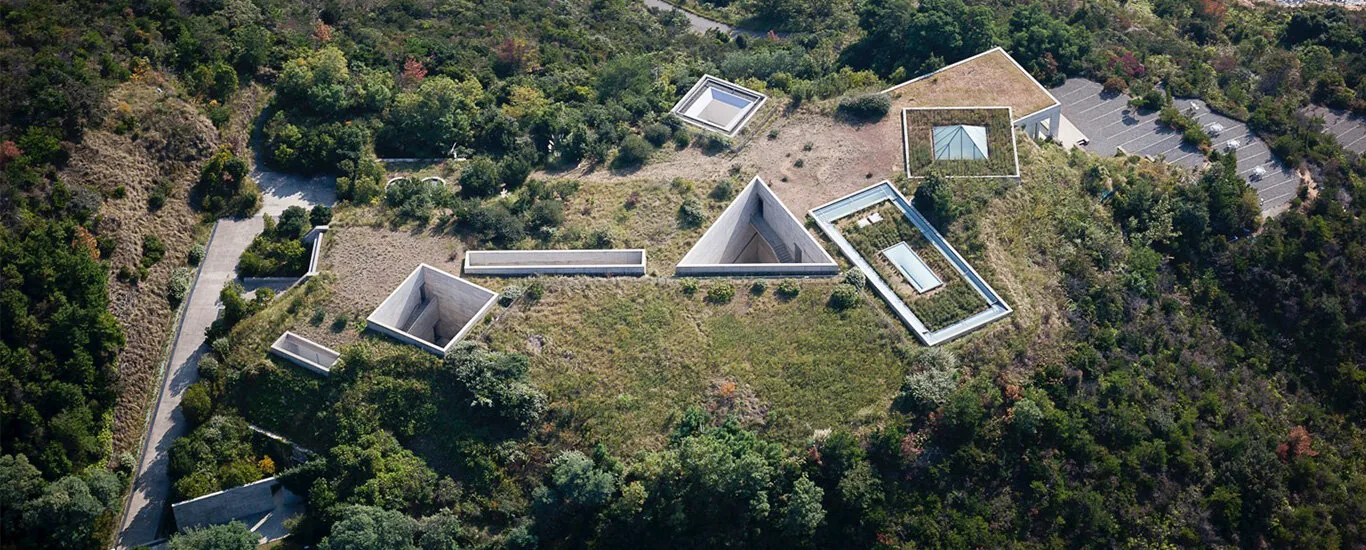
On Naoshima, Chichu Art Museum does not dominate the landscape: much of the building lies underground, with daylight entering through courtyards and geometric openings. Tadao Ando’s architecture makes the walk between galleries part of the visit. Opened in 2004 to preserve views of the Seto Inland S
About Chichu Art Museum
On Naoshima, Chichu Art Museum does not dominate the landscape: much of the building lies underground, with daylight entering through courtyards and geometric openings. Tadao Ando’s architecture makes the walk between galleries part of the visit. Opened in 2004 to preserve views of the Seto Inland Sea, the museum brings together permanent installations by Claude Monet, James Turrell and Walter De Maria.
The galleries are not an encyclopedic collection; they are carefully staged encounters between art, space and light. Monet’s Water Lilies are seen in a room designed specifically for them, while works by Turrell and De Maria make the visitor’s perception part of the experience. Reviews often praise the architecture and changing light, while also noting the time needed, the admission cost and the no-photography rule for artworks. The visit is best approached slowly, with the entry guidance read in advance.
Admission is tied to a reserved date and time, and popular slots can sell out; children who enter free still need a reservation. The official rates checked were ¥2,500 on weekdays and ¥2,700 on weekends and holidays. The museum is open 10:00–17:00, last entry 16:30, and is generally closed on Mondays. From Miyanoura Port, visitors can use the local bus or connect with Benesse’s free shuttle at Tsutsujisō; transport is not included with the museum ticket. Check the opening calendar, ferry and return bus before choosing a slot.
Partly underground museum devoted to Claude Monet, James Turrell and Walter De Maria
Photos