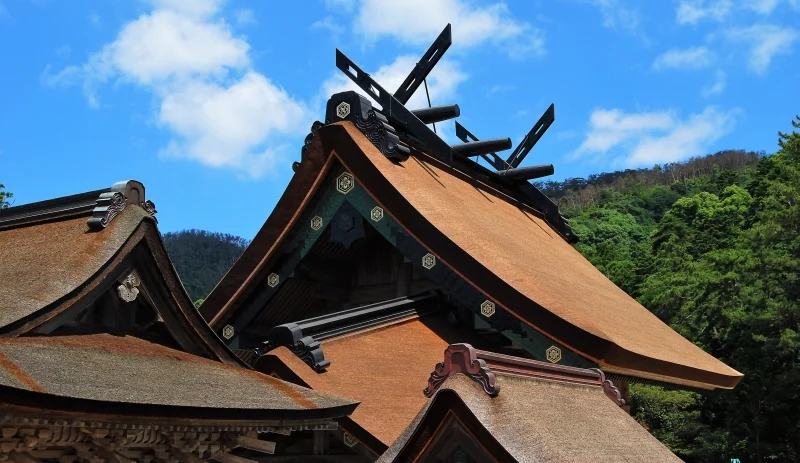
Izumo Taisha Grand Shrine
Izumo Taisha is more than a photograph of the enormous shimenawa above its worship hall. The grounds spread among trees, paths and timber buildings, and their scale changes the pace of a visit: arrive without rushing, follow the traditional approach and leave time to walk around the areas open to vi
About Izumo Taisha Grand Shrine
Izumo Taisha is more than a photograph of the enormous shimenawa above its worship hall. The grounds spread among trees, paths and timber buildings, and their scale changes the pace of a visit: arrive without rushing, follow the traditional approach and leave time to walk around the areas open to visitors. The shrine is dedicated to Ōkuninushi, a central figure in Japanese mythology and stories about human relationships.
The local tourism association lists the main grounds as open from about 6 am to 7 pm. The Soga Shrine area, behind the main sanctuary, closes at 4:30 pm; later visitors can still worship from the outer area designated by the shrine. Allow around an hour or longer, depending on the route and pauses. Prayer services, amulets and goshuin stamps have their own hours, so they should not be confused with the general grounds schedule.
Visitors often value the forest calm, the breadth of the complex and the architecture. Practical comments tend to mention walking distances, steps and crowds on festival dates. This is not a visit spent entirely indoors: much of the experience takes place outside. Comfortable shoes and time to walk matter more than squeezing the shrine into a short stop.
From JR Izumoshi, a local bus takes about 25 minutes to Seimon-mae. Alternatively, take the private Ichibata Railway to Izumo Taisha-mae, changing at Kawato, then walk a short distance. The JR Pass does not cover this private line. Shinmon-dori shopping street, the shrine and the nearby history museum can form a half-day outing. Check transport and traffic restrictions before travelling during festivals, New Year or peak season.
A major Shinto sanctuary dedicated to Ōkuninushi, traditionally associated with human ties and relationships; its broad grounds reward an unhurried walk.
Photos