Vaquero Enterprises
Vaquero Enterprises preserves California vaquero tradition through Ernest Morris's art, rawhide work and seven books on horsemanship and livestock handling.
About Vaquero Enterprises
California vaquero art and rawhide work
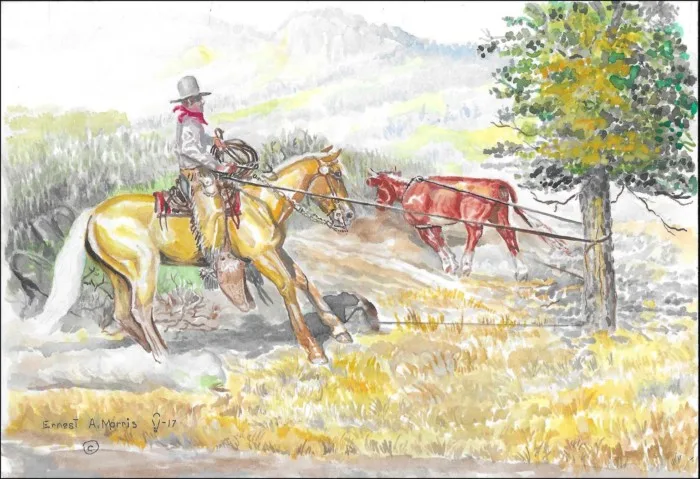
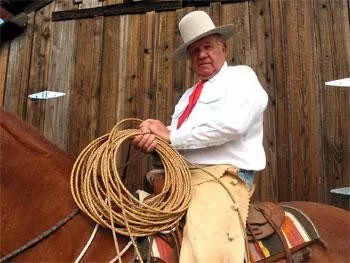
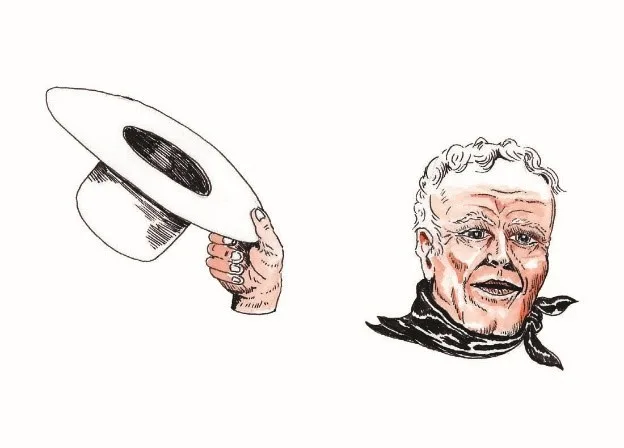
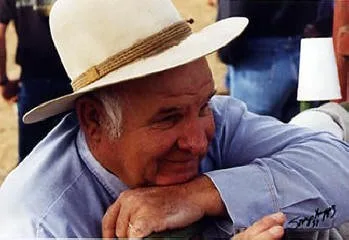
Vaquero Enterprises is the vehicle for the work of Ernest “Ernie” Morris, a California artist, rawhide braider and author dedicated to the history and tradition of the California vaquero. His art depicts people, horses, equipment, cattle, terrain and livestock situations with the aim of creating authentic vaquero remembrances.
Morris worked in nearly every conventional art format: pen and ink, pencil, charcoal, watercolor, oils, acrylic, bronze sculpting and wood carving, along with rawhide braiding and horse hair mecates. From 1967 he placed a small hackamore beside his name on drawings and paintings as a symbol connecting his art and his rawhide work.
Books on vaquero horsemanship
Morris authored and illustrated seven books about vaquero horsemanship and livestock handling:
- El Vaquero
- el Buckaroo
- Riata Men
- California Cowboy Inventions
- Vaquero Heritage
- Vacas & Vaqueros
- Californios
He also illustrated books and publications for other authors and contributed articles on horse training methods, rawhide braiding and western art to newspapers and magazines.
Background and training
Ernest Albert Morris was born December 13, 1927, in Fellows, Kern County, California, the oldest of two children of Donald Morris and Jessie (Wilkinson) Morris. He was a fifth-generation California cattleman on both sides of his family and a great-grandson of Samuel S. Jobe, a Pony Express rider and stage coach driver. He spent much of his youth on the family ranch in Kings County and, after his father's death when Ernie was 12, the family moved to the Paso Robles area of San Luis Obispo County.
During high school he began working on some of the largest livestock ranches in California's central coast area, alongside older men who followed the California vaquero horsemanship and livestock handling style. He credited his grandfather Jesse Wilkinson, a well-known vaquero and master rawhide worker in the region, with teaching him many vaquero ways and the techniques for making quality rawhide equipment. Jesse agreed to teach him the rawhide business from A to Z on two conditions: never cheat people and follow his instructions.
Morris served six years in the Navy, with tours in the latter part of World War II and the early part of the Korean War, among other global commissions. He married Blanche on March 10, 1954, and the couple settled on a ranch near Templeton in San Luis Obispo County, where they raised Blanche's two children, Linda and Ralph. They were married more than 64 years until Blanche's death in 2018.
Vaquero art was a hobby until 1964, when Morris took it up as a full-time occupation. His paintings and drawings replay his personal experiences working on ranches in his younger days and the stories told to him by old-timer cowboys he knew. His art, rawhide work and books have been featured in galleries, museums and private collections throughout the United States and many other parts of the world.
Ernie Morris died peacefully in his sleep on May 5, 2021, at his ranch near Templeton, California, at age 93. He is buried in the Veterans section of the Paso Robles District Cemetery, beside his wife Blanche.
California vaquero art, rawhide braiding and books
Photos
Select a photo to enlarge it.