Word360
Interpreting and translation provider serving healthcare and public organisations, with telephone, video, face-to-face and accessible-format services.
About Word360
Making an appointment understandable in any language
Word360 supplies interpreting, translation and accessible communication services, with a particular focus on healthcare. A hospital appointment, a written care plan and a public-service notice create different communication needs. The company can arrange a linguist face to face, over the phone or by video, and it lists non-spoken interpreting alongside document translation. Accessible outputs include Easy Read, Braille and large print. The provider describes coverage of more than 350 languages and long-standing NHS work; the exact language, format and turnaround need to be set for each booking.
Choose the right channel for the encounter
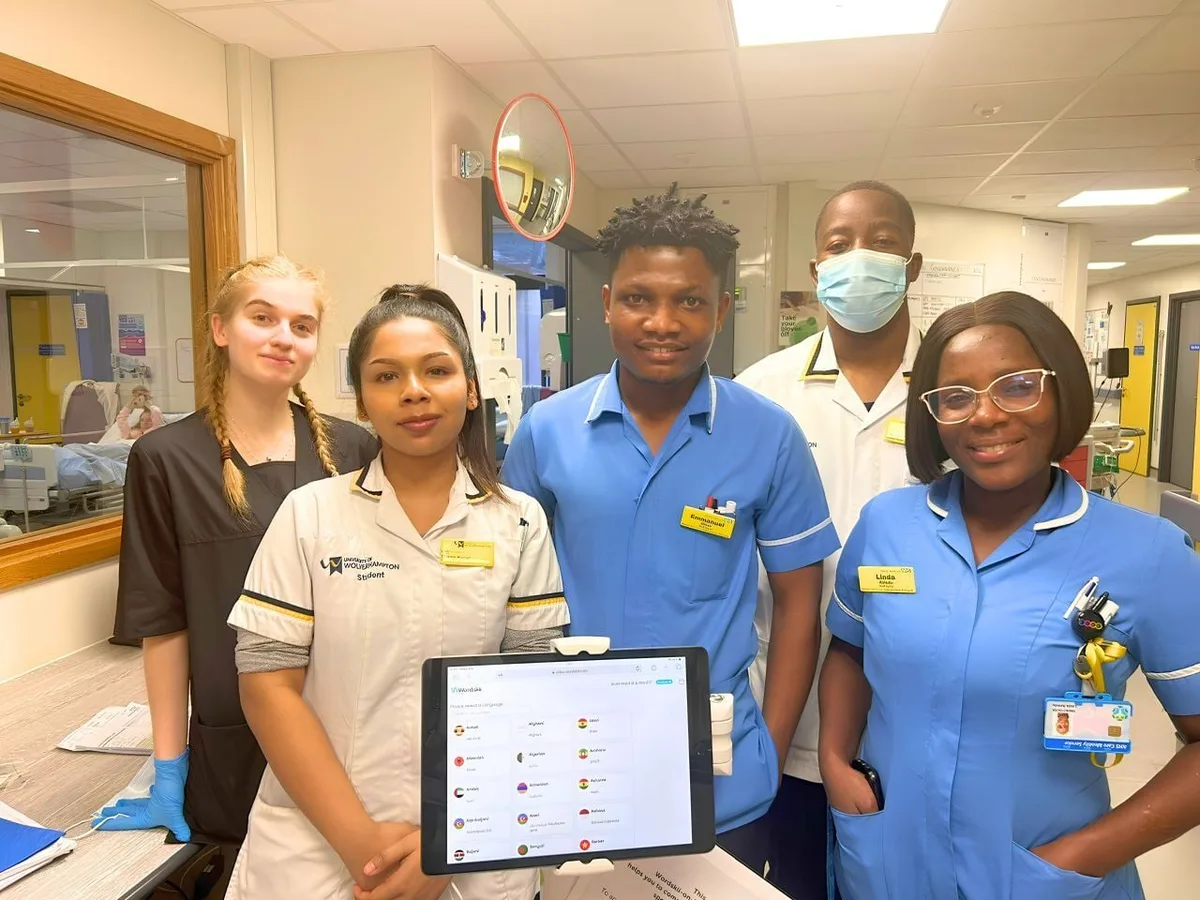
In a live consultation, an interpreter has to fit the patient's language and the setting. A remote video connection may be useful when visual communication matters; a phone call can suit a different kind of conversation; a planned in-person appointment has its own scheduling requirements. For a document, the issue is not only the language but what the reader must do with the information. Consent forms, appointment instructions and public guidance may call for separate translation and accessibility checks. Word360 also provides technology intended to place bookings and reporting within healthcare workflows.
- Interpreting: face-to-face, telephone, video and non-spoken options for live communication.
- Translation: written materials adapted for a reader in another language.
- Accessible formats: Easy Read, Braille and large print when standard text is unsuitable.
- Organisational management: one route for bookings, reporting and oversight across multiple teams or sites.
Working with an organisation
NHS trusts, integrated-care bodies, local authorities, government teams, charities and education providers appear among the sectors served. A procurement manager may need consistent booking and invoicing across departments, while front-line staff need a practical way to reach a suitable linguist at the point of care. The enquiry forms distinguish new clients, existing clients and linguists who want to work with the company. A useful brief specifies the language or dialect, date, location or remote channel, expected duration, the subject matter and any accessibility requirements. That gives the team a basis to propose a service rather than treating all interpreting as interchangeable.
Word360 also advertises an AI interpreter for everyday interactions. Organisations should decide which conversations require a qualified human linguist and which can use a digital aid under their own policies. For a sensitive patient discussion, the quality, confidentiality and clinical context of the interpretation matter as much as speed. The general contact line can route the enquiry to the relevant team.
Photos
Select a photo to enlarge it.